The Best Time to Travel to Omo Valley, Ethiopia
The Omo Valley in Southern Ethiopia is a remote region celebrated for its extraordinary cultural diversity. While travel is feasible year-round, selecting the optimal time is crucial for a successful trip, as planning relies heavily on prevailing road conditions and the timing of traditional ceremonies. Given the challenges presented by unpaved roads and river crossings, seasonality is a major factor.
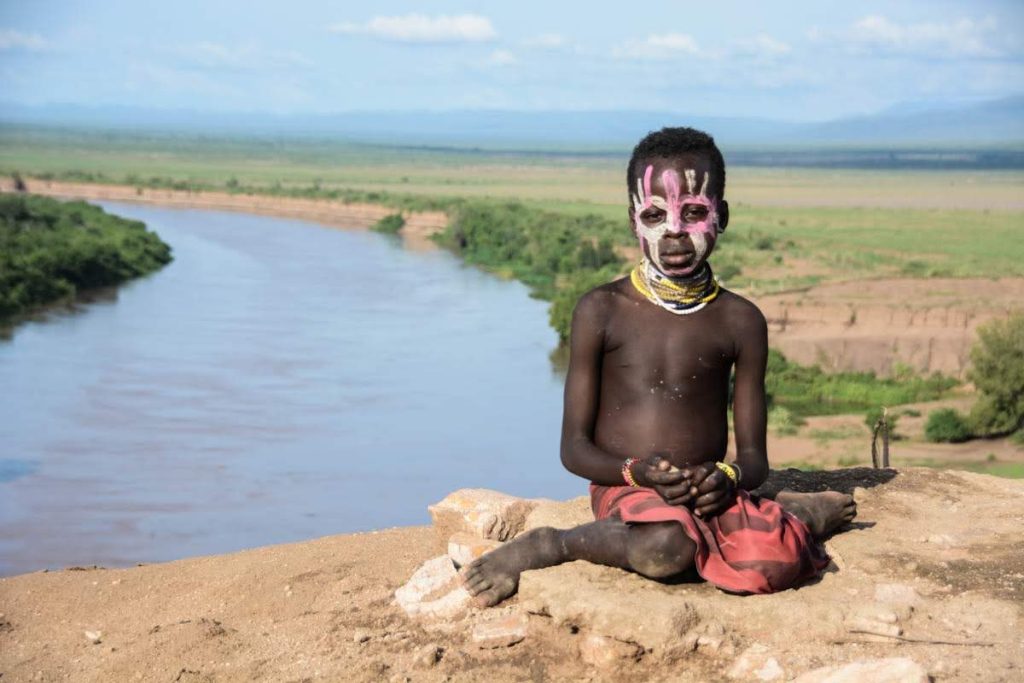
The Best Time: The Dry Season (November–March)
The dry season, typically running from November through February/March, offers the most favorable travel conditions. With minimal rainfall, the already rugged roads become far more manageable, necessitating travel primarily in a sturdy 4×4 vehicle. The warm, sunny weather enhances the experience of visiting tribal villages, markets, and exploring the valley’s dramatic scenery. Crucially, this period coincides with the post-harvest time, when communities are most likely to host ceremonies and festivals, significantly boosting the chance of witnessing authentic cultural events.
Travelers often prioritize witnessing traditions such as the Hamer Bull Jumping ceremony or various post-harvest celebrations. Although these events follow local calendars and cannot be scheduled reliably in advance, they occur most commonly during the dry months. Planning your visit for this window maximizes the potential for meaningful cultural encounters and respectful engagement with local communities.
The Wet Season (March/April–May & August–October)
In contrast, the wet season—spanning roughly from March/April to May and again from August to October—is characterized by sporadic but intense rainfall. It may rains heavy may a few times a week, temporarily rendering dirt tracks impassable for several hours and leading to itinerary delays and disruptions. While the valley transforms into a strikingly lush landscape with fewer tourists, the difficult road conditions significantly detract from the overall travel experience, and rain may interrupt planned village visits. Therefore, while travel is technically possible during the wet season, it is generally not recommended due to the increased risk of disruption and delays.
Ultimately, the best time to visit the Omo Valley is during the dry months. This period ensures road accessibility is most reliable, offering safer passage, and provides the highest probability of experiencing authentic cultural ceremonies. This combination guarantees the most rewarding and meaningful engagement with the communities that define this remarkable Ethiopian destination.