Hamer Tribe of Ethiopia: Culture, Traditions & Travel Guide to the Omo Valley
The Hamer (Hamar) tribe is one of the most fascinating ethnic groups living in Ethiopia’s remote Lower Omo Valley, a region celebrated for its extraordinary cultural diversity. Known for their striking hairstyles, vibrant ceremonies, and deep pastoral traditions, the Hamer people offer travelers a rare opportunity to experience a living cultural heritage that has endured for centuries.
If you are planning an Omo Valley journey, visiting the Hamer communities around Turmi and Dimeka is often the cultural highlight of the trip.
Where Do the Hamer People Live?
The Hamer inhabit the semi-arid landscapes of southern Ethiopia’s Omo Valley, east of the Omo River. Their main settlements are centered around the towns of Turmi and Dimeka, which serve as social and market hubs.
Despite the dry environment, the region supports both livestock herding and seasonal farming. Families often move between villages and grazing camps depending on rainfall and pasture availability.
Quick Facts
- Location: Lower Omo Valley, Southern Ethiopia
- Population: Approximately 50,000–65,000 people
- Language: Hamer-Banna (South Omotic language)
- Lifestyle: Semi-nomadic agro-pastoralists
Daily Life of the Hamer Tribe
The Hamer economy revolves around cattle, which represent wealth, identity, and social status. Owning livestock determines a man’s ability to marry and his position within society.
Livelihood Activities
- Cattle, goat, and sheep herding
- Sorghum and maize farming
- Honey collection and beekeeping
- Seasonal migration to grazing lands
During dry seasons, families may rely mainly on milk and occasionally cattle blood as a traditional source of nutrition.
Traditional Villages and Housing
Hamer families live in clusters of circular huts made from wood, straw, and grass roofing. Villages are arranged in a circle with livestock kept in the center at night for protection from predators.
Unlike many Ethiopian homes, hut walls are often left unplastered to improve airflow and prevent insects — a practical adaptation to the hot climate.
The Famous Bull-Jumping Ceremony
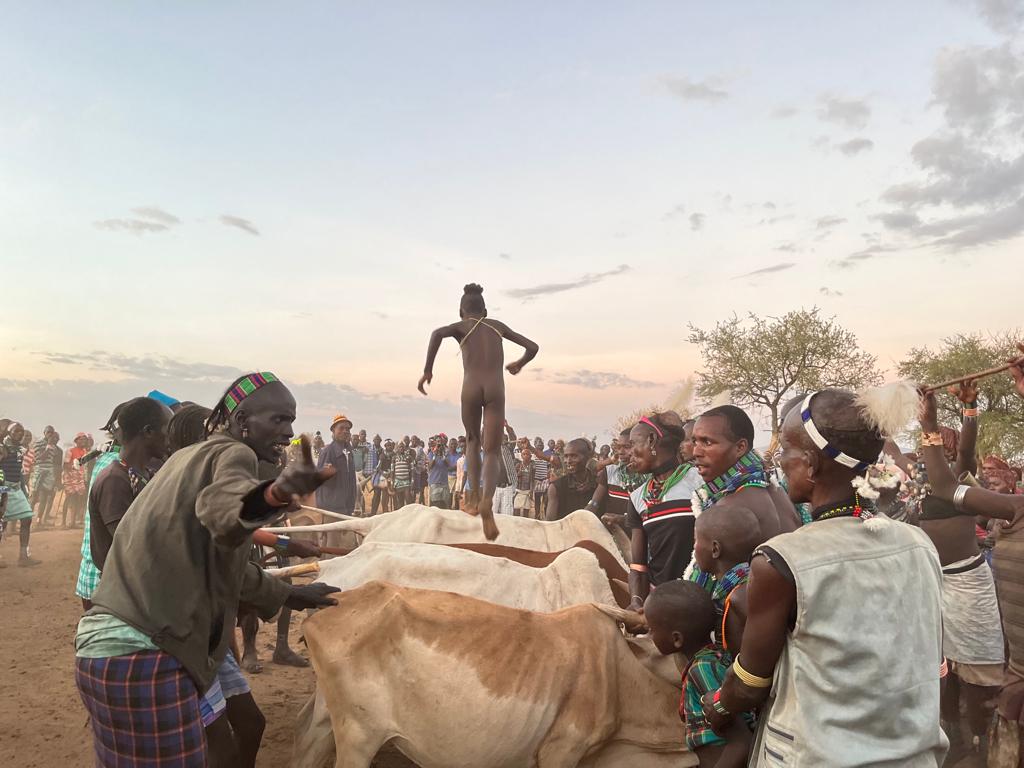
One of the most iconic cultural experiences in Ethiopia is the Hamer bull-jumping ceremony, a rite of passage marking a boy’s transition into manhood.
What Happens During the Ceremony?
- Several bulls are lined up side by side.
- The initiate must run across their backs four times without falling.
- Success grants the right to marry and own cattle.
- The event attracts large gatherings with music, dancing, and celebration.
This ceremony is Ritual, deeply symbolic, and remains central to the Hamer people’s identity.
Ritual Whipping: A Unique Cultural Tradition
During bull-jumping ceremonies, female relatives voluntarily undergo ritual whipping performed by men who have already completed the rite (known as the Maza).
Within Hamer culture, the scars represent:
- Loyalty to family
- Emotional strength
- A lifelong bond of protection from male relatives
While controversial from an outside perspective, locally it symbolizes devotion and social responsibility.
Appearance, Beauty, and Identity
The Hamer are widely recognized for their distinctive aesthetics.
Women
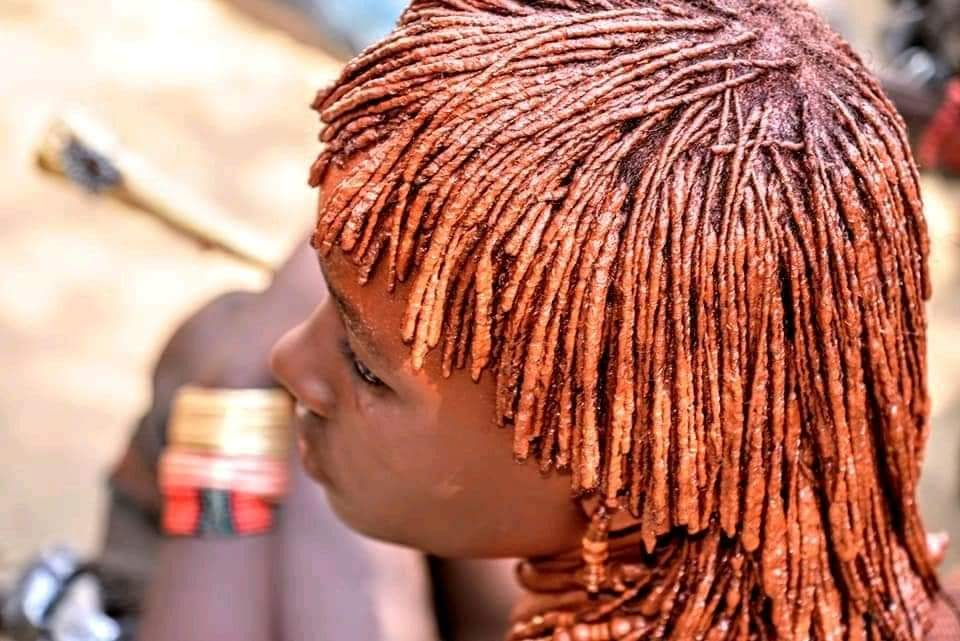
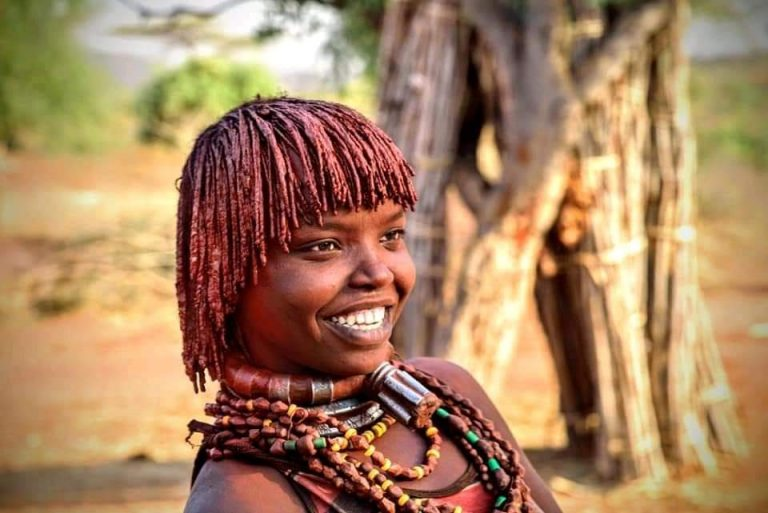
- Hair styled with butter and red ochre, creating reddish braids.
- Goatskin skirts decorated with beads and shells.
- Heavy iron or copper necklaces indicating marital status.
Men
- Clay hairstyles decorated with feathers to symbolize bravery.
- Body painting with white chalk during ceremonies.
- Carrying a wooden headrest (borkoto) to protect elaborate hairstyles.
Adornment communicates age, status, and personal achievements.
Music, Dance, and Social Life
Social gatherings play a major role in Hamer culture.
Evangadi (Night Dance)
A lively moonlight dance held regularly where young people meet, dance, and choose potential marriage partners.
Tortoro Festival
An annual harvest celebration bringing together elders, families, and neighboring communities.
Visitors may witness singing, horn instruments, and traditional sorghum beer celebrations.
Spiritual Beliefs and Traditions
The Hamer traditionally follow animistic beliefs centered on harmony between people, nature, and spiritual forces.
Key concepts include:
- Barjo — cosmic balance and good fortune.
- Nature spirits believed to inhabit trees and rocks.
- Morning blessings performed with coffee to invite rain and prosperity.
Visiting the Hamer Tribe: What Travelers Should Know
A visit to Hamer villages is a cultural experience that requires respectful engagement.
Travel Tips
- Always visit with a local guide.
- Ask permission before taking photographs.
- Expect small photography fees in some villages.
- Dress modestly and respectfully.
- Approach traditions with cultural sensitivity.
Market days in Turmi are excellent opportunities to see traditional clothing and community interactions.
Why Visit the Hamer Tribe?
Travelers come to the Omo Valley not only to observe traditions but to understand diverse ways of life shaped by environment, history, and community values.
A Hamer village visit offers:
- Authentic cultural encounters
- Unique ceremonies and festivals
- Insight into pastoral lifestyles
- Memorable photography opportunities
- Meaningful interaction with local communities
Plan Your Omo Valley Cultural Tour
Exploring the Hamer tribe is best combined with visits to other Omo Valley communities as part of a guided cultural expedition from Addis Ababa or Arba Minch.
Whether witnessing a bull-jumping ceremony, attending a local market, or sharing moments of daily village life, meeting the Hamer people is an unforgettable highlight of travel in Ethiopia.