THE OMO VALLEY, ETHIOPIA: A COMPLETE GUIDE TO THE CRADLE OF CULTURE
The Omo Valley gets its name from the river Omo, the mighty waterway that carves through this remote southwestern corner of Ethiopia. it is a place where time seems to have stopped—a region of anthropological wonders and unique cultures, often seen as one of the few remaining places where ancient human traditions are kept alive. Traveling to the Omo Valley is more than a trip; it is a culturally immersive expedition into ancient human culture and traditions.
In this guide, we bring together everything you need to know—from the vibrant tribes and practical travel tips to the profound ethical considerations of visiting these unique tribal villages.
A LAND OF HUMAN EVOLUTION AND LIVING CULTURE
The Omo Valley’s significance is twofold. First, it is a UNESCO World Heritage Site and an important part of the Cradle of Humankind, where the discovery of ancient hominid fossils has fundamentally shaped our understanding of human evolution. Second, and just as importantly, it is home to living tribal villages where over a dozen distinct ethnic groups have preserved their unique ways of life for centuries.
MAJOR TRIBES OF THE OMO VALLEY
What makes the Omo Valley unique is the diversity of its tribes. Each tribe has its own language, customs, and artistic expressions, creating a cultural mosaic in a small area. Below, we highlight some of the most interesting tribes in the Omo Valley.
THE MURSI
Arguably the most iconic tribe in the Omo Valley, the Mursi are renowned for the striking clay lip plates worn by the women—a symbol of identity and beauty. Men engage in ceremonial stick-fighting (Donga), a test of strength and skill.
THE HAMER (HAMAR)
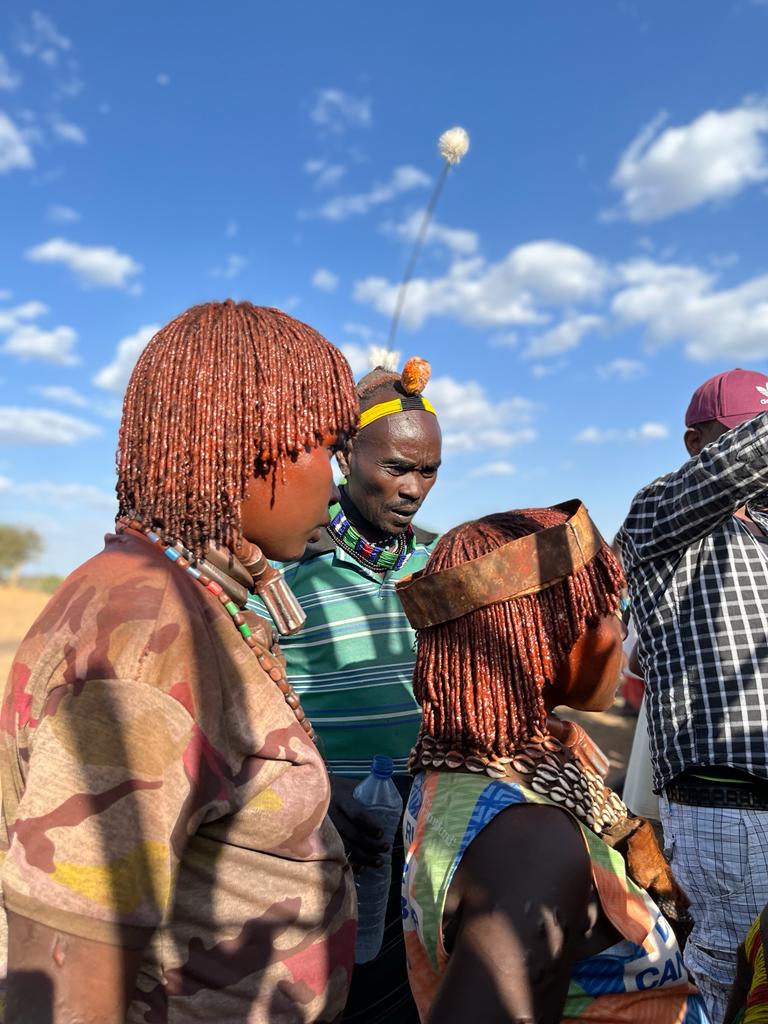
Known as one of the most friendly tribes in the Omo Valley and celebrated for their aesthetic beauty, the Hamer adorn themselves with ochre-braided hair. Their most famous ritual is the Bull Jumping Ceremony, a pivotal rite of passage for young men.
THE KARO
Masters of artistic expression, the Karo are celebrated for their elaborate body and face painting. Using white chalk, they create intricate and symbolic designs for ceremonies and social events.
THE SURI
Closely related to the Mursi, the Suri also practice lip plate adornment and ceremonial stick-fighting. Like the Karo, they are also masterful body painters, contributing to the valley’s rich artistic traditions.
THE DASSANECH
Living in the Omo River delta, the Dassanech are pastoralists whose way of life reflects deep ties to livestock and the land.
THE NYANGATOM
Known for the large, round layers of beads worn by the women, this group adds to the valley’s diversity with their distinctive customs and pastoral lifestyle.
THE ARBORE
Known for their unique singing rituals, the Arbore preserve traditions involving commerce, pastoralism, and the spiritual dimensions of Omo Valley culture.
THE DORZE
Living in the highlands near Arba Minch outside of the Valley, the Dorze are famous for their towering, beehive-shaped houses woven from bamboo and their exceptionally skilled cotton weaving.
THE KONSO
Recognized by UNESCO for their cultural landscape, the Konso are master agriculturalists who have terraced their hillsides for generations. They are also known for their stone-walled villages and carved wooden ancestor statues (Waga).
PRACTICAL TRAVEL GUIDE: LOGISTICS AND PLANNING
Visiting the Omo Valley requires careful planning due to its remoteness. Planning your route around market days and local ceremonies allows you to visit the villages seamlessly as you move through the region.
GETTING THERE
Depending on your timeline and interest, you can choose between a quick flight or a road trip.
- By Air: The most efficient way to reach the Omo Valley is by flying from Addis Ababa to the gateway towns of Jinka or Arba Minch. Jinka Airport (BCO) puts you directly in the heart of the valley, while Arba Minch Airport (AMH) serves as a northern entry point. Arba Minch offers more tribes and activities, making it an excellent choice if you have more days.
- By Road: For a longer trip, a two-to-three-day overland drive from Addis Ababa allows you to traverse the stunning and scenic Rift Valley, offering a gradual introduction to the region’s diverse landscapes.
WHERE TO STAY AND EAT
Accommodations in the Omo Valley are generally functional and simple, designed for cultural immersion rather than high luxury. However, several reliable lodges provide comfortable bases with en-suite rooms and on-site restaurants.
RECOMMENDED LODGES
- Jinka: Eco Omo Safari Lodge, Nasa Hotel, Jinka Resort, and Besha Hotel.
- Turmi: Buska Lodge, Paradise Lodge Turmi, Emerald Lodge, and Tribal Life Eco Lodge.
- Arba Minch: Haile Resort and Paradise Lodge (both offering excellent comfort and stunning views).
- Konso: Kanta Lodge.
THE TOP PICKS RESTAURANTS IN OMO VALLEY
ARBA MINCH
- Arba Minch Tourist Hotel: This is widely considered to have the best atmosphere in the city. Its lush, garden-style dining area is a favorite for travelers looking to relax.
- Wubete Hotel: Currently a major hit with locals, this is the “go-to” spot right now for an authentic and lively vibe.
- Haile Resort & Paradise Lodge: These are the premier choices for high-end comfort, both featuring excellent restaurants with panoramic views of Lake Abaya and Lake Chamo.
JINKA
- Eco Omo Safari Lodge: Offers a great on-site restaurant known for quality meals in a beautiful eco-setting.
- Nasa Hotel: Recognized for serving the best fast food in Jinka—perfect for a quick, reliable meal.
- Besha Gojo Restaurant: If you venture into town, this is the best local restaurant for traditional Ethiopian cuisine.
TURMI & KONSO
- Buska Lodge (Turmi): Features the best restaurant in the Turmi area, providing a comfortable and high-quality dining experience after visiting the Hamer or Karo tribes.
- Kanta Lodge (Konso): Known for having the best restaurant in Konso, paired with incredible views of the UNESCO-recognized terraced hillsides.
BEST TIME TO VISIT
The ideal windows are during the dry seasons:
- June to early September: Features lush landscapes, though temperatures can be high.
- November to early March: Offers pleasant temperatures and optimal conditions for travel and cultural visits.
- Note: That the rainy seasons (March through June and a short period in September to November) can make many roads impassable.
THE ETHICAL TRAVELER’S COMPASS
The privilege of visiting the Omo Valley comes with a responsibility to travel respectfully.
- Hire a Local Guide: A knowledgeable guide is a necessity rather than a luxury. They facilitate communication, ensure respectful interactions, and provide invaluable cultural context.
- Ask for Permission: Always ask before taking photographs. It is customary to pay a small fee, which your guide can help you manage.
- Engage, Don’t Just Observe: Treat tribal people as hosts, not subjects. Show genuine interest in their crafts and traditions.
- Support Local: Buy handicrafts directly from artisans and use community-run services whenever possible.
TRIBAL CULTURE AND EXISTENCE IS UNDER THREAT
The timeless traditions of the Omo Valley face unprecedented challenges. The construction of the Gibe III Dam has disrupted the natural flood cycle of the Omo River, devastating the flood-retreat agriculture that the tribes rely on. Furthermore, large-scale commercial plantations have displaced communities and diverted water, while increased contact with the outside world accelerates cultural erosion. Ethical, responsible tourism is one of the few forces that can provide an economic incentive for these communities to preserve their heritage.
The Omo Valley offers an unparalleled opportunity to Experience ancient culture. It is a land of stunning Beauty, cultural encounters, and the Authentic Experience. While the travel demands flexibility and a spirit of adventure, the reward is an unforgettable experience into the beauty of cultures that have endured for centuries.